
Permit Levels: Avoid Delays & Start Faster in 2026
Toronto-focused guide to municipal, provincial, and federal permits. Learn sequencing, inspections, and tools to launch faster—without rework or delays.
Dayal Tony
Contributor

Municipal, provincial, and federal permits are approvals issued by different levels of government that authorize your business to operate legally. In Toronto, these approvals often need to be completed in a specific order. Canada Business Solutions sequences municipal provincial federal permits so founders launch faster, avoid rework, and stay compliant.
By Dayal Tony — Founder, Canada Business Solutions • Last updated: 2026-06-07
At a Glance
You’ll likely need a mix of municipal, provincial, and federal approvals. Start local (zoning and inspections), align provincial registrations and professional or health licenses, then confirm any national permits. The right sequence prevents failed inspections, duplicate filings, and opening delays—especially for Toronto founders with multi‑step requirements.
This complete guide clarifies how the three permit levels interact, why order matters, and the fastest, compliant path to open. You’ll get a quick summary, a 7‑step workflow, sector‑specific examples, inspection prep tips, and checklists drawn from our 10+ years and 500+ launches across Canada.
- Plain‑English definitions of municipal, provincial, and federal permits
- Toronto‑focused sequencing that reduces rework
- 7‑step process with checkpoints and handoffs
- 14 real‑world examples by sector (food, childcare, trades, logistics, tech)
- Best practices to pass inspections the first time
- Tools and templates to stay organized

Municipal, Provincial, and Federal Permits: What They Are
Municipal permits govern local land use and daily operations; provincial approvals regulate activities within a province (for example, health or professional licensing); and federal permits apply to national, cross‑border, or regulated‑goods activities. Together, these layers form a compliance stack you must satisfy before opening to the public.
Think of permit levels as layers: local first, province next, and national last. Each layer answers a different question: “Can you operate here?” (municipal), “Are you qualified and registered to operate in this province?” (provincial), and “Do you meet Canada‑wide or cross‑border rules?” (federal). Missing one layer can stall everything else.
- Municipal (city): Zoning clearance, building and fire inspections, signage, patio/parking use, vendor or food handling approvals tied to local bylaws.
- Provincial (Ontario): Business name registration for sole proprietors/partnerships, extra‑provincial registration if you operate across provinces, sector licensing (e.g., childcare, trades), and health/safety certifications.
- Federal (Canada‑wide): Federal incorporation (if chosen), import/export numbers, controlled‑goods, and certain transport or telecommunications approvals.
In our experience, founders who map these layers early reduce launch delays by weeks. One missed municipal pre‑inspection can ripple into postponed openings, rescheduled provincial assessments, and missed contract start dates.
Why Permit Sequencing Matters (Especially in Toronto)
Permit sequencing is the practice of completing approvals in the most efficient order. Starting with municipal groundwork unlocks inspections and occupancy, while provincial licensing and federal registrations line up afterward. Done right, sequencing shortens launch timelines and prevents duplicate filings or failed site checks.
Toronto founders commonly navigate multi‑step municipal checks before provincial reviews. When we align the order—site suitability, build‑out, inspections, then provincial or federal filings—openings stay on track. We treat permits like dominoes: set them up correctly, and each one triggers the next without friction.
- Reduce rework: Passing a fire or health inspection first time means you avoid repeat visits and downtime.
- Protect cash flow: Opening on your intended date supports hiring plans, inventory timelines, and grant milestones.
- Win contracts sooner: Public‑sector vendor registration and capability statements land better when local approvals are already in hand.
Local considerations for Toronto
- Plan around seasonal inspection surges. Spring and late summer can mean heavier municipal workloads; book early to protect your target opening.
- Align site work with weather. Exterior signage, patios, or food‑truck prep is easier to complete and inspect in milder months.
- If you’ll bid on public contracts, line up vendor registration while municipal work proceeds so procurement timelines don’t slip.
How Permit Sequencing Works: A 7‑Step Workflow
Follow a 7‑step workflow: verify zoning, scope build‑out, line up municipal permits, complete inspections, register at the provincial level, add sector licenses, then confirm any federal numbers or permits. This sequence prevents blockers and lets you open as soon as inspections clear.
- Confirm zoning and use: Validate that your intended use fits local zoning and any overlay rules. Document constraints upfront to avoid redesign later.
- Assess build‑out: Determine if you need building, mechanical, or signage permits. Capture scope, drawings, and timelines.
- Apply for municipal permits: File for building/fire/health where applicable. Sequence work to match inspection order.
- Schedule and pass inspections: Prepare staff and checklists. Document fixes immediately if a re‑inspection is required.
- Complete provincial registrations: Register or extra‑provincially register your entity, and align any sector‑specific Ontario licensing.
- Secure sector approvals: Examples include childcare licensing, trade certifications, or food safety credentials.
- Finalize federal items: If relevant, obtain import/export numbers, controlled‑goods eligibility, or federal incorporation.
| Level | Scope | Typical Triggers | Examples |
|---|---|---|---|
| Municipal | Site use and local operations | Renovations, new signage, public seating, food prep | Zoning clearance, building permit, fire/health inspection, signage |
| Provincial | Within‑province registration and licensing | Operating in Ontario, regulated professions, childcare or trades | Business registration, sector licenses, health/safety certifications |
| Federal | National or cross‑border requirements | Import/export, controlled goods, federal incorporation | Business number additions, controlled‑goods, transport/telecom approvals |
We layer procurement readiness alongside this workflow—completing vendor registration and capability statements while site work proceeds—so clients can pursue public contracts immediately after opening.
Types of Permits by Sector: 14 Real‑World Examples
Different sectors face distinct permit combinations. Food businesses prioritize health and fire, childcare requires provincial licensing, trades lean on certifications, and logistics often involve federal numbers. Matching your sector profile to the correct level stops surprises and speeds up opening day.
- Restaurant/Cafe: Municipal building/fire/health, patio or signage permits; food safety certifications; potential provincial alcohol‑related permissions where applicable.
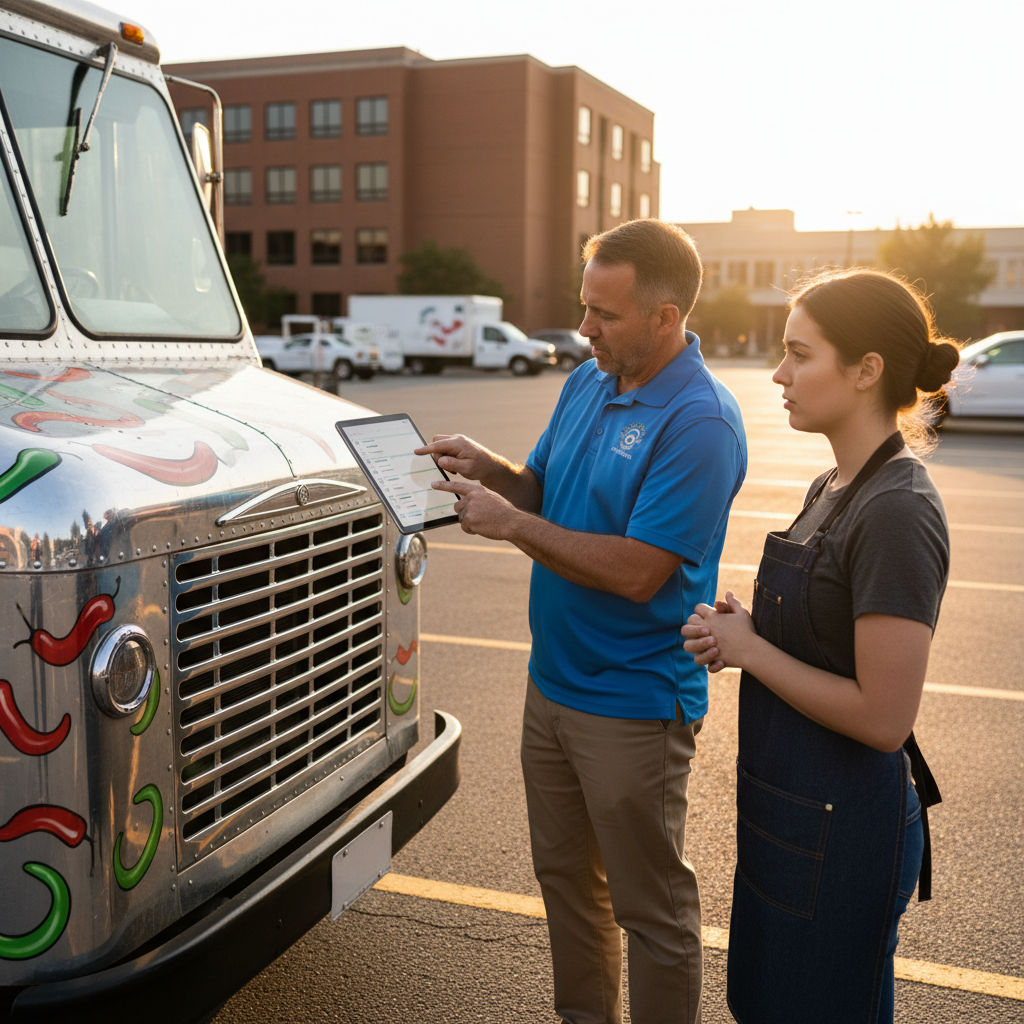
- Food Truck: Municipal mobile vending permissions and inspections; parking or designated‑area approvals; food handling certifications.
- Childcare Center: Municipal site/occupancy; provincial childcare licensing; staff qualifications and background checks.
- Retail Store: Zoning, signage, and occupancy; sector‑specific provincial rules if selling regulated items.
- Personal Services (salon/barbershop): Municipal inspections; provincial health/safety standards and practitioner credentials.
- Skilled Trades (electrical/HVAC): Municipal job‑site permits; provincial trade certifications; safety training records.
- Transportation & Logistics: Municipal warehouse use/occupancy; provincial/safety compliance; federal import/export accounts if cross‑border.
- Import/Export: Municipal office/warehouse approvals; federal business number program accounts and trade classifications.
- Professional Services (accounting/legal/IT): Municipal office usage and signage; provincial professional licensing where applicable.
- Tech & IT Services: Municipal office use; data handling or telecom‑adjacent considerations; federal aspects only if crossing borders with goods/equipment.
- Home‑Based Business: Municipal home‑occupation rules; signage and customer‑visit limits; provincial registration depending on structure.
- Manufacturing/Light Industrial: Municipal building/mechanical permits; environmental or waste‑handling clearances; possible federal product or safety requirements.
- Event/Catering: Municipal temporary food permits; tent or temporary structure approvals; food safety credentials.
- Defense/Cyber‑Adjacent Vendors: Municipal office/IT security footprint; federal controlled‑goods eligibility when applicable.
We select the smallest compliant set for each client. Cutting two unnecessary forms can shave days off your timeline and keep staff focused on what matters most: opening and serving customers.
Best Practices to Avoid Delays and Rework
Lock the sequence, pre‑check drawings, and prepare for inspections with role‑specific checklists. Keep one master tracker for filings, and document decisions. These habits reduce re‑inspections, prevent duplicate submissions, and keep your Toronto launch date realistic.
Permitting habits that pay off
- Decide your entity path early: Align federal vs. provincial incorporation with cross‑provincial plans so names, numbers, and registrations line up.
- Create an inspection binder: Floor plans, equipment specs, and safety checklists in one place speeds walkthroughs.
- Stage work to inspection order: Complete fire‑related work before health, and signage after occupancy approvals.
- Document every change: Track field changes and get sign‑offs to avoid questions at inspection time.
- Parallel tasks: While municipal work runs, we progress vendor registration and capability statements so procurement readiness doesn’t lag.
Inspection prep: pass on the first try
- Run a mock inspection with two team members. One plays inspector; one operates equipment and answers questions.
- Photograph compliance items (extinguishers, signage, sanitation zones) in place. Photos help if re‑inspection is needed.
- Assign a single point of contact for the day of inspection. They hold the binder and sign offs.
These steps sound simple, but they save days. We’ve watched teams gain a week just by staging equipment and labeling safety zones before a health walkthrough.
Tools, Templates, and Helpful Resources
Use a master tracker, permit intake form, and inspection checklists to stay organized. Pair these with Toronto‑specific notes and a procurement readiness track. The right tools minimize back‑and‑forth, help you answer inspector questions, and keep approvals moving.
- Build your plan with our launch approvals playbook and startup compliance checklist.
- Map filings using the license and permit checklist and this multi‑level approvals guide.
- Align funding tasks early using our funding application checklist so paperwork and milestones reinforce each other.
- Clarify Toronto‑specific permit needs with this primer: what permits does my business need?
Keep everything in one folder structure with subfolders for municipal, provincial, and federal. A single source of truth curbs version sprawl and missed questions.
Common Confusions: Business Permits vs. Work Permits
Business permits authorize your company’s operations and premises. Work permits relate to an individual’s authorization to work in Canada. They are distinct processes with different criteria, timelines, and authorities—don’t mix them when planning your launch sequence.
Many newcomers reasonably conflate these terms. Your business needs municipal/provincial/federal approvals to open and serve customers; an individual may separately require authorization to work in Canada based on immigration status. For background on the individual side, see this overview of Canada work permits. It’s a separate track from business licensing.
Mini Case Studies: Sequencing in Action
Three brief scenarios show how correct sequencing saves time: a food truck that passed inspections back‑to‑back, a childcare center that aligned municipal occupancy with provincial licensing, and a logistics startup that secured federal numbers without delaying opening.
Food Truck: Two inspections, one on‑time launch
- Challenge: Mobile vending approval plus health inspection before a summer event series.
- Approach: We scheduled municipal mobile vending and health inspections in a two‑day window and pre‑staged equipment.
- Outcome: Passed both with minor notes. Opening date held; event commitments met.
Childcare Center: Occupancy and licensing aligned
- Challenge: Renovation work, occupancy, and provincial childcare licensing caused timeline risks.
- Approach: We phased construction to match inspection order, then coordinated provincial licensing walkthrough.
- Outcome: Occupancy and licensing cleared within days of each other, enabling immediate enrollment.
Logistics Startup: Federal number without launch delay
- Challenge: Warehouse occupancy plus federal import/export accounts.
- Approach: We ran municipal occupancy in parallel with federal number setup and customs broker onboarding.
- Outcome: Warehouse opened on time; first cross‑border shipments processed the same week.
In each case, the win came from sequencing, documentation, and a single point of contact who owned the timeline.
Advanced Tips: Procurement Readiness While You Permit
Use permitting downtime to get procurement‑ready. Register as a vendor, draft a two‑page capability statement, and line up references. When doors open, you’ll be eligible to bid, respond to RFPs faster, and land revenue sooner.
- Start vendor registration and a light capability statement while inspections are pending.
- Prepare a bid‑readiness folder: certificates, permits, safety policies, and insurance letters.
- Bookmark our public‑sector procurement checklist so you can move quickly on opportunities the week you open.
We often see founders win an early public contract because they treated permits and procurement as parallel tracks instead of separate projects.
How Canada Business Solutions Helps Toronto Founders
We act as your operating partner for permits: sequencing filings, preparing inspection binders, coordinating walkthroughs, and keeping provincial and federal tasks in sync. Our compliance‑first approach helps Toronto founders open on time and pursue funding and contracts immediately.
- Free structured first consultation to prioritize filings and dates.
- End‑to‑end handling across municipal, provincial, and federal approvals.
- Grant/funding program matching and stronger applications aligned to your launch plan.
- Procurement support: vendor registration, capability statements, bid submission.
Soft CTA: Ready to map your sequence? In our consultation, we’ll confirm your permit stack, surface risks, and build a one‑pager that puts opening day on a track you can follow.
Reference Examples for Specific Situations
When in doubt, study a close analog. Construction‑adjacent work, food businesses, and home renovations each illustrate how local approvals cascade into inspections and occupancy. These examples clarify the practical meaning of permit sequencing.
- Practical notes from a construction context on preparation and staging: construction permit application guide.
- Home renovation analog (useful for retail build‑outs): finishing a basement permit guide explains typical inspection order and documentation.
Even if your business isn’t construction, the patterns—scope clarity, staged work, and inspection order—are universal and help you think like an inspector.
Frequently Asked Questions
Here are quick, direct answers to common questions we hear from Toronto founders about municipal, provincial, and federal permits. Use these to sanity‑check your plan and timing, then book a consultation if anything is unclear.
What permits do I need to open a restaurant in Toronto?
Typically you’ll address municipal building/fire/health approvals, occupancy, and signage. You’ll also prepare food safety certifications and align any province‑level permissions tied to your menu. We’ll confirm the exact stack and inspection order during a consultation.
Does federal incorporation replace provincial registration?
No. Federal incorporation is separate from registering to operate within a province. If you incorporate federally, you may still need to register extra‑provincially where you carry on business. We’ll align your structure with your operating footprint.
Can I start vendor registration before I finish permits?
Yes, in many cases you can start vendor registration and draft a capability statement while municipal work proceeds. This parallel path helps you bid earlier, right after you open. We’ll flag any prerequisites so you don’t duplicate effort.
What’s the most common cause of inspection delays?
Incomplete documentation. Missing drawings, unlabeled safety equipment, or unclear sanitation zones often cause re‑inspections. We create a binder and run a mock walkthrough to catch these issues before the inspector arrives.
How do municipal, provincial, and federal permits interact?
Municipal approvals verify your site and daily operations, provincial approvals cover registration and sector licensing, and federal permits apply to national or cross‑border activities. Completing them in the right order keeps your opening date intact.
Key Takeaways and Next Steps
Map your permit levels early, sequence municipal before provincial and federal, and prepare for inspections with a single binder. Run procurement and funding tasks in parallel. This approach protects your launch date and positions you to win revenue faster.
- Lock your sequence: municipal → provincial → federal.
- Stage build‑out to the inspection order you expect.
- Keep one tracker and an inspection binder.
- Run vendor registration and funding prep in parallel.
- Use our internal checklists and playbooks to stay organized.
Next step: Book a structured consultation with our team in Toronto. We’ll build your one‑page launch map and align filings, inspections, and go‑live dates. When you’re ready, review our startup compliance checklist to get a head start.